Failing Private Pole in Telarah
If your private pole is leaning, rotten, or failing at your Telarah property, Electrician Telarah's Level 2 ASPs check it fast, backed by 300+ five-star reviews and $0 call-out.
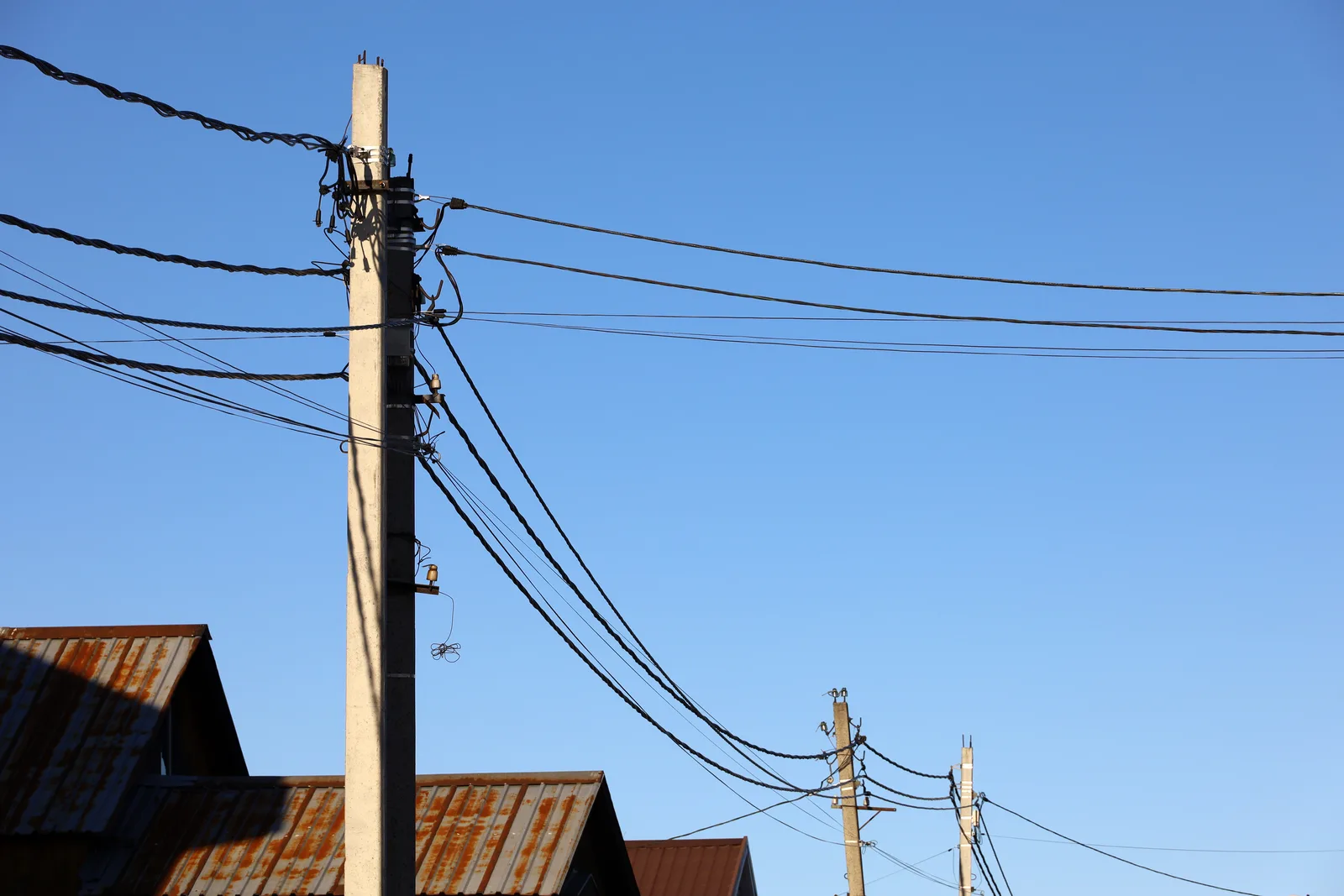
Same-Day & Emergency
A failing private pole gets a same-day response across Telarah.
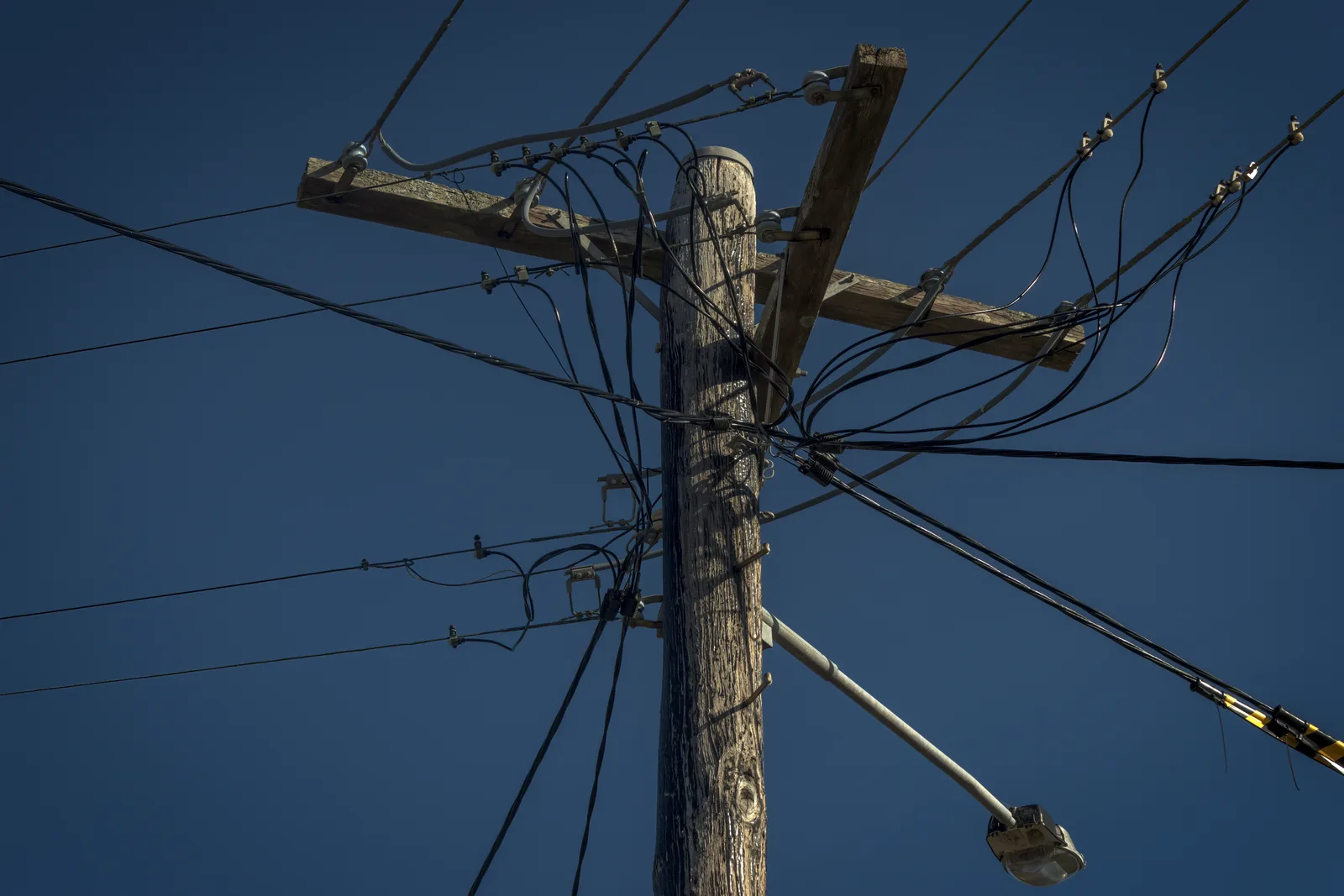
Level 2 ASP Accredited
Lic #451348C, accredited on the Ausgrid and Endeavour Energy networks.
300+ Five-Star Reviews
Rated 5 stars across 300+ genuine local reviews.
$0 Call-Out & Free Quotes
No call-out fee, and a free, fixed quote before we start.
What a Failing Private Pole Means
A private pole is your own pole, not Ausgrid's or Endeavour Energy's, carrying service mains onto the property, work only a Level 2 ASP is licensed to touch. If it is rotten, leaning, or carrying damaged mains, it needs proper inspection under AS/NZS 3000 before it fails completely.
Common Causes of a Failing Private Pole
Timber rot at the base
Older timber private poles can rot at ground level over decades, especially where the base sits in damp or reactive clay soil common across Telarah's floodplain lots.
Corrosion in an ageing steel pole
Older steel private poles can corrode internally where moisture collects, weakening the structure long before any visible sign appears above ground and making a routine inspection worthwhile.
Ground movement around the footing
Telarah's alluvial and reactive clay soil on the Hunter River floodplain can shift with wet and dry cycles, gradually loosening a pole's footing over time until it starts to lean.
Storm and wind load stress
Strong wind acting on the pole and the mains it carries can accelerate an existing weakness, particularly through Hunter Valley storm season when gusts and heavy rain arrive together.
Age and general wear
Many private poles on Telarah's older properties date back to the original build and are now well past the point where regular inspection is worthwhile.
Is a Failing Private Pole Dangerous?
Yes, treat this as urgent. A leaning or rotten pole can fail suddenly, bringing down live service mains with it, and the risk grows the longer it is left.
- A pole leaning more than it used to is a genuine structural warning sign
- Mains sagging or hanging from a failing pole may still be live
- A pole near a path, driveway, or play area raises the risk to people nearby
- This work sits outside a standard electrician's licence and needs a Level 2 ASP
What To Do Right Now
Before we arrive, these are the safe steps to take with a failing pole:
- Keep people, pets, and vehicles well away from the pole and its mains.
- Do not attempt to straighten, brace, or support the pole yourself.
- Warn others on the property if the pole is near a path or driveway.
- Avoid the area during wind or wet weather when the risk is higher.
- Call a Level 2 ASP (Lic #451348C) to inspect and assess the pole.
When To Call a Level 2 ASP for a Failing Private Pole in Telarah
- The pole is visibly leaning more than it used to
- You can see rot, cracking, or corrosion at the base
- The mains carried by the pole are sagging or damaged
- The lean has become noticeably worse after a storm
- The pole has not been inspected since the property was built
Any of these at your Telarah property is a Level 2 job, not a standard callout. We respond same-day and 24/7, with $0 call-out and free quotes. See our private pole and service mains pages.
How it works
How We Fix a Failing Private Pole in Telarah
Fault Finding
We inspect the pole's base, structure, and the mains it carries to confirm exactly how far the failure has progressed.
Upfront Quote
Once the condition is assessed, you get a fixed, transparent quote for repair or full replacement before any work begins.
The Repair or Replacement
As Level 2 ASPs we repair or replace the private pole and reconnect the service mains ourselves, work most electricians have to sub out entirely.
Testing & Safety Check
Every replacement is tested against AS/NZS 3000 to confirm the pole and mains are safe and properly secured before we leave.
Why This Is Common in Older Telarah Homes
Telarah's older properties on the Hunter River floodplain often carry original private poles, and reactive clay soil combined with age makes rot and lean common.
Failing Poles and Related Electrical Faults Across Telarah
A failing private pole often shows up alongside storm-damaged mains or a sagging service line. We fix all three across Telarah, Aberglasslyn, Rutherford, and the wider Maitland region.
Failing Private Pole in Telarah? Call Now
Call (02) 4072 9929 for same-day, 24/7 emergency service, $0 call-out and free quotes, backed by 300+ five-star reviews and Lic #451348C. We'll check it properly, and if it sparks, shorts, flickers or fails, we can fix it. Visit our home page or contact us any time.
Common questions
Failing Private Pole FAQs
Real questions homeowners ask about a leaning or failing private pole, answered honestly so you know what to do next.
Is a failing private pole dangerous?
Yes. A rotten or leaning private pole can bring down live service mains without warning, so it should be inspected and fixed before it fails completely, not left until it falls.
What causes a private pole to fail?
Timber rot at the base, corrosion in an older steel pole, ground movement around the footing, or storm and wind stress are the most common causes of a failing private pole.
What should I do if my private pole is leaning?
Keep well clear of the pole and the mains it carries, warn others on the property, and call a Level 2 ASP to inspect it before it fails further.
Do I need a Level 2 ASP for a private pole?
Yes. A private pole and the mains it carries are Level 2 work, and only a Level 2 ASP is licensed to repair or replace it.
How much does it cost to replace a failing private pole?
It depends on the pole's condition and what it carries, but we provide a free quote and fixed upfront pricing before any work, plus a $0 call-out fee.
Are failing private poles common on older Telarah properties?
Yes. Telarah's older pre-war and post-war housing stock, some on larger blocks, still runs original private poles now old enough to rot, lean, or corrode.